Making English Decodable

What if every English word told you exactly how to say it?

Fonetic English adds pronunciation, syllable breaks, and stress to standard spelling — without changing a single letter. Developed with Professor John Sweller. Backed by seven research frameworks. Used by tutors, schools, and ESL colleges worldwide.

Once you learn a word in Fo√ne…tic √Ēng…lish, you can read it in standard English

Fonetic English adds pronunciation, syllable breaks, and stress to standard spelling — without changing a single letter. Developed with Professor John Sweller. Backed by seven research frameworks. Used by tutors, schools, and ESL colleges worldwide.

Humans evolved the ability to spot the shape of camouflaged predators, like snakes hiding in the grass. Even when colour blends into the background, our brains instantly pick out the outline as in the image below.

Brown snake coiled among dead leaves, camouflaged, illustrating how the brain filters visual patterns
Play

This same skill lets us recognise the shape of words.

Once you’ve sounded out a word in Fonetic English, its shape is locked in.

From then on, you can recognise it instantly — no matter whether it’s:

  • printed in a normal font
  • written in curly script
  • badly printed
  • handwritten
  • disguised words are used to prove we are human, not computers
In fact, being able to recognize disguised words is how we can prȷve to some websites that we are humans, not com√půt…ers .
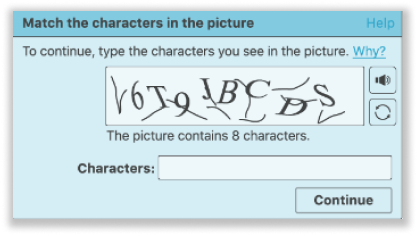
Captcha Example

By using the brain’s built-in shape recognition, learning a word in FE means you can read it anywhere, in any style of English writing.

Who Is Fo√ne…tic √Ēng…lish For?

🌍

Educators

📖

Foundation Partners

👩‍🏫

Commercial Partners

👨‍👩‍👧

Parents

👩‍🏫

ESL Learners